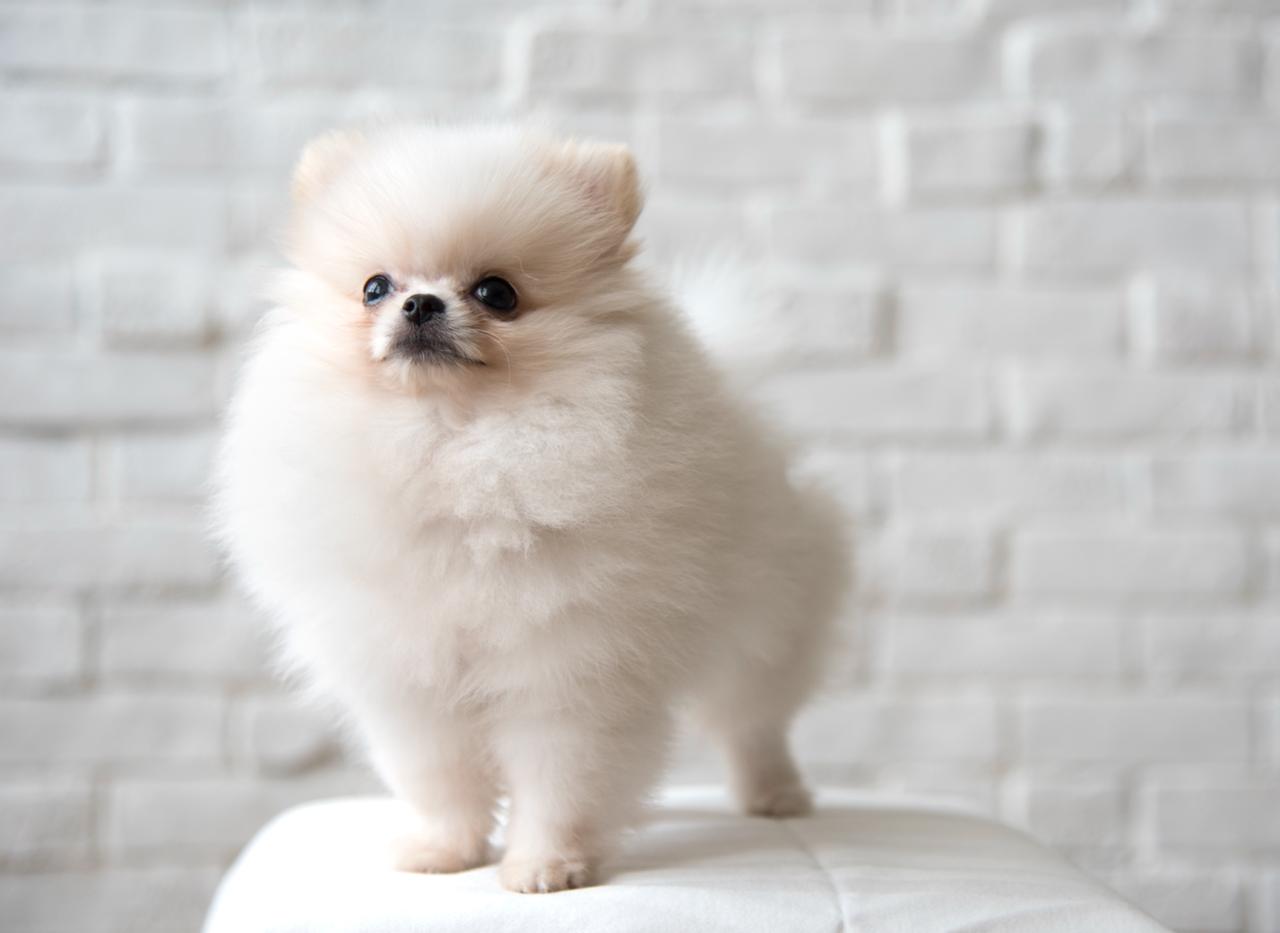
Small in size but overflowing with character, the Volpino Italiano is one of Italy’s oldest companion breeds. Long cherished by nobles and commoners alike, this alert little dog is both elegant and fearless. With its fox-like expression and cloud-like coat, the Volpino is a charming watchdog and an affectionate family companion.
Description
- Small, compact, and harmonious dog
- Fox-like head with a lively expression
- Short muzzle and pointed ears carried upright
- Abundant, long, and standing coat
- Height at the withers: 27 to 30 cm
- Weight: 4 to 6 kg
- Average lifespan: 14 to 16 years
Ancient origins of the Volpino Italiano
The Volpino Italiano descends from ancient European spitz-type dogs, whose presence can be traced back to antiquity. Similar dogs were already depicted in Roman art, confirming their long-standing role as companions and guardians. During the Renaissance, the Volpino was particularly appreciated by Italian nobility and was often seen in palaces and noble households.
Unlike many small dogs bred purely for companionship, the Volpino had a practical role: guarding homes, farms, and stables. Despite its size, it never hesitated to alert its owners to the presence of strangers.
The Volpino Italiano was only officially recognised in 2006, by The United Club Kennel!

A true Italian character
The name Volpino comes from the Italian word volpe, meaning “fox,” a clear reference to its sharp expression and alert attitude. This breed was especially popular in Tuscany, where it was kept by both aristocrats and craftsmen.
Sadly, the Volpino nearly disappeared in the 20th century due to the rise of foreign breeds. Thanks to dedicated Italian breeders, the breed was saved and officially recognized, preserving this national treasure.
Physical characteristics of the Volpino Italiano
General appearance:
A small, squarely built dog with a proud stance and lively demeanor.
Head:
Triangular and well-proportioned. The skull is slightly rounded, with a clearly defined stop.
Eyes:
Round, medium-sized, dark, and expressive, conveying intelligence and alertness.
Ears:
Small, triangular, and erect, set high on the head.
Muzzle:
Short and pointed, with a black nose and tight lips.
Neck:
Moderate in length, well-muscled, carried proudly.
Body:
Compact and well-balanced. Straight back, short loins, and well-developed chest.
Legs:
Straight, fine-boned but strong, allowing quick and agile movement.
Feet:
Small, oval, and compact with well-arched toes.
Tail:
Set high, curled tightly over the back and richly plumed.
Coat:
Long, dense, and standing away from the body. The texture is coarse with a thick undercoat.
Color:
Pure white is the most common. Red and champagne shades are also recognized.
 A Volpino Italiano temper
 A Volpino Italiano temper
Positive traits
- Extremely alert
- Loyal and devoted
- Intelligent
- Playful
- Brave
- Excellent watchdog
Negative traits
- Can be noisy
- Suspicious of strangers
- Independent streak

A small watchdog with a big voice
Do not be fooled by its size: the Volpino Italiano is a vigilant guardian. It is naturally distrustful of strangers and will not hesitate to bark loudly to alert its family. This makes it an excellent watchdog, especially in apartments or houses where early warning is appreciated.
Affectionate and devoted
With its family, the Volpino is deeply affectionate and loyal. It forms strong bonds with its owners and enjoys being involved in daily activities. It thrives on attention and does not like being ignored for long periods.
Intelligent but independent
The Volpino learns quickly, but its independent nature means training must be consistent and gentle. Harsh methods are ineffective; positive reinforcement works best. Once properly educated, it becomes a well-mannered and pleasant companion.
Volpino Italiano with children
This breed generally gets along well with respectful children. Its lively nature makes it a fun playmate, but interactions should always be supervised, especially with very young children, due to the dog’s small size.
Health: a robust little dog
The Volpino Italiano is known for its good overall health and longevity. It has no major breed-specific health issues, though regular veterinary check-ups are essential.
Possible concerns include:
- Dental issues (common in small breeds)
- Patellar luxation (rare but possible)
Daily routine of the Volpino Italiano
- Moderate exercise needs
- Enjoys daily walks and play sessions
- Very alert and reactive to sounds
- Adapted to apartment living
- Can bark frequently if not trained
- Purchase price: moderate
Unlike the Labrador Retriever, the Volpino does not require intense physical activity. Short walks combined with mental stimulation are sufficient to keep it happy.
 Diet
Diet
 Diet
DietA balanced, high-quality diet suited to small breeds is recommended. Meals should be divided into two portions per day to avoid digestive issues. Avoid excessive treats, as the Volpino can gain weight if overfed.
Living space
The Volpino Italiano adapts perfectly to apartment life, provided it receives enough attention and daily exercise. It also enjoys access to a secure garden, where it can observe its surroundings—one of its favorite pastimes.
Grooming the Volpino Italiano
Despite its abundant coat, grooming is not overly demanding:
- Brush two to three times per week
- More frequent brushing during shedding periods
- Baths only when necessary
- Regular ear, eye, and dental care
Its coat naturally repels dirt and remains beautiful with minimal effort.
Does a Volpino Italiano come trained?
No—like any intelligent dog, the Volpino needs early socialization and training. Without guidance, it may become overly vocal or suspicious. With patience and consistency, it becomes a delightful and well-adjusted companion.